










4.6

IronWallet — a universal non-custodial next-generation crypto wallet capable of replacing multiple apps in one. Users maintain full control over their private keys and seed phrase, while all core operations — buying, selling, swapping, and instant card withdrawals — are completed in just a few taps.
Unlike competitors, IronWallet supports Bitcoin, Tron, Solana, TON, and all popular EVM networks, making it a unified hub for managing your entire portfolio.
The app interface supports 21 languages, allows sorting tokens by network, displays the total value of assets in any fiat currency, and enables quick switching between multiple wallets with a simple swipe.
A market-unique “gasless transactions” feature on Ethereum and Tron networks eliminates the need to hold ETH or TRX in your account — USDT or USDC transfers go through even with a zero balance.
A distinct advantage is the absence of mandatory KYC: in-app exchanges remain anonymous, while 24/7 live support helps resolve issues without chatbots or tickets.

2.0

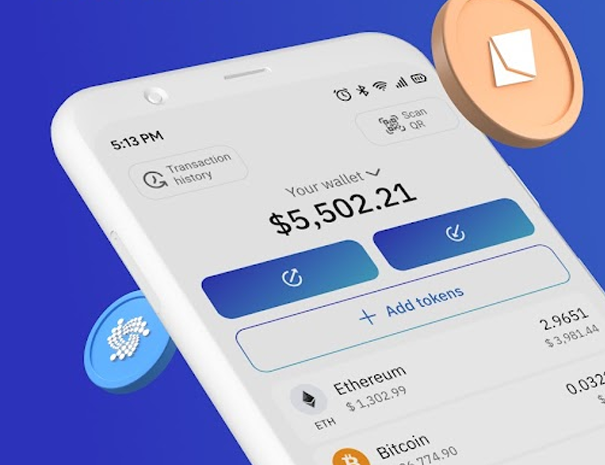
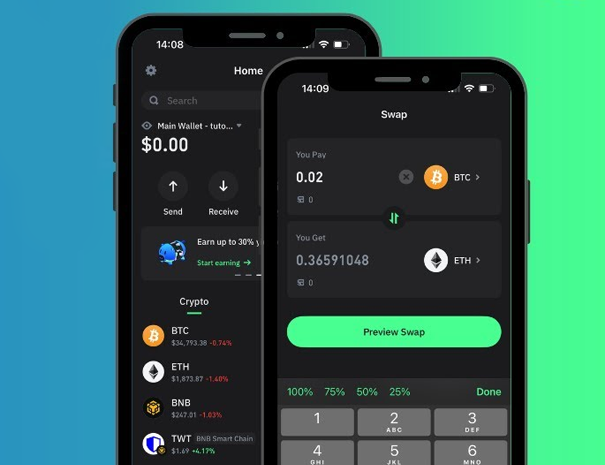
The multi-chain functionality makes the Trust Wallet mobile app a top choice in 2025 for anyone who wants to manage diverse digital assets in one place without needing to install multiple wallets. However, it’s worth noting that support for certain rare or obscure tokens may be limited.
Trust Wallet is a “trusted” cryptocurrency wallet that supports a wide range of networks and tokens, including assets built on various blockchain platforms such as Ethereum, Binance Smart Chain, and others. Its user-friendly interface and rich feature set make it an excellent choice for both beginners and experienced users.
Combining ease of use, robust security, and extensive functionality, Trust Wallet stands out as one of the best solutions available in the market for mobile cryptocurrency wallets.
1.4

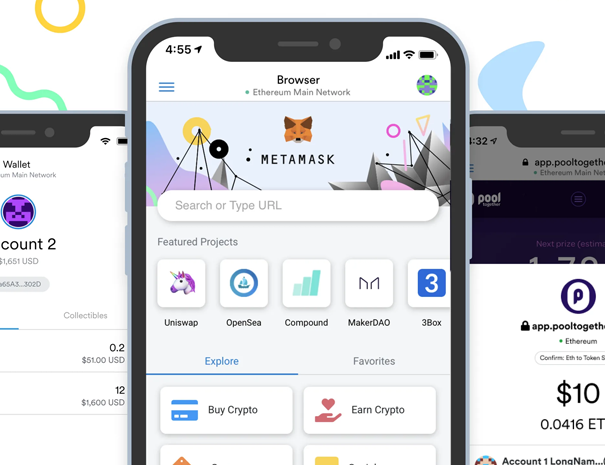
MetaMask remains the gold standard for interacting with dApps in the Ethereum ecosystem. Its browser extension and mobile app provide seamless access to any EVM-compatible network, DeFi protocols, NFT marketplaces, and DAOs. Your seed phrase is stored locally, and support for multiple accounts lets you easily separate trading, staking, and “cold” addresses.
The wallet features built-in token purchasing and swapping, a portfolio dashboard, and customizable spending limits to help mitigate risks. However, its main limitation is narrow specialization: native Bitcoin, Solana, or Tron are not supported.
Following the high-profile $10 million hack in 2023, the team has significantly strengthened code audits—but customer support remains fully automated, so don’t expect a response from a live agent.
In our review, you’ll find out just how reliable MetaMask is as a crypto wallet choice and whether it meets today’s security standards for managing a range of cryptocurrencies.
1.8
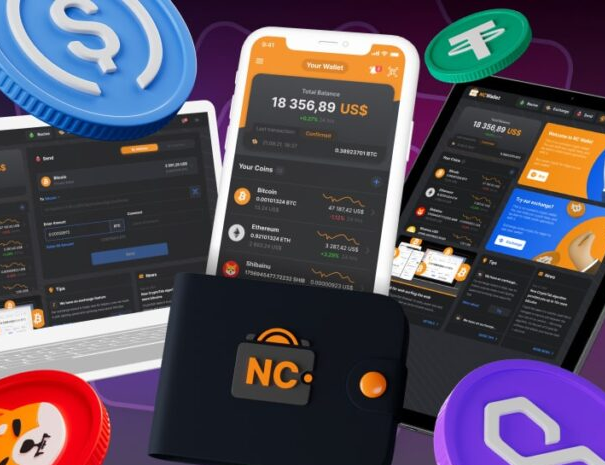
NC Wallet positions itself as the first “fee-free wallet,” offering a browser extension, a mobile app, and a Telegram bot. Support for Bitcoin, Tron, Solana, TON, and EVM-compatible networks genuinely saves space on your smartphone. Its user-friendly interface with detailed transaction history filters is helpful for beginners, while security is enhanced by 2FA, PIN code, and biometric authentication.
However, beneath this convenience lie hidden drawbacks: once an unclear balance threshold is reached, funds are frozen until KYC verification is completed. Moreover, the advertised claim of “zero fees” turns out to be marketing spin—the network still deducts transaction fees, albeit in a less transparent way.
Users from Russia encounter regional restrictions, and there is no live customer support—only an English-language feedback form is available.

2.8

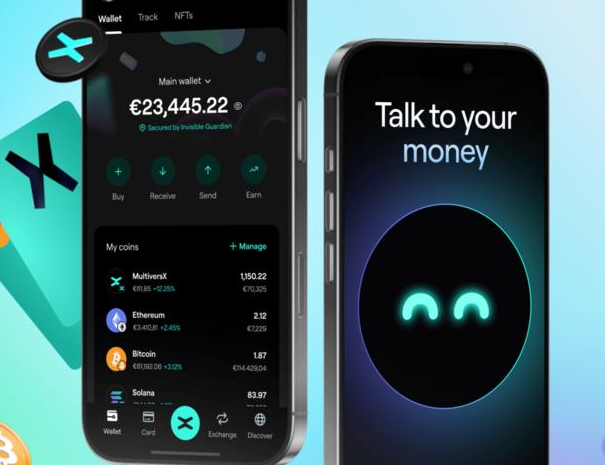
xPortal turns asset management into a gamified experience. Users can store cryptocurrencies, NFTs, and AI avatars, participate in Play-to-Earn games, and even order a debit card (available to EEA residents). All transactions occur within the MultiversX ecosystem: the native EGLD token is used to pay fees, and ESDT token swaps are executed via the xExchange decentralized exchange (DEX).
Account registration is tied to a phone number—convenient for recovery but potentially compromising security.
The app weighs nearly 300 MB, and due to the lack of Ethereum and Tron support, users often need a second wallet. Additionally, the service is unavailable in certain countries, contradicting its stated goal of universal accessibility.

3.2
NC Wallet positions itself as the first “fee-free wallet,” offering a browser extension, a mobile app, and a Telegram bot. Support for Bitcoin, Tron, Solana, TON, and EVM-compatible networks genuinely saves space on your smartphone. Its user-friendly interface with detailed transaction history filters is helpful for beginners, while security is enhanced by 2FA, PIN code, and biometric authentication.
However, beneath this convenience lie hidden drawbacks: once an unclear balance threshold is reached, funds are frozen until KYC verification is completed. Moreover, the advertised claim of “zero fees” turns out to be marketing spin—the network still deducts transaction fees, albeit in a less transparent way.
Users from Russia encounter regional restrictions, and there is no live customer support—only an English-language feedback form is available.
1.8
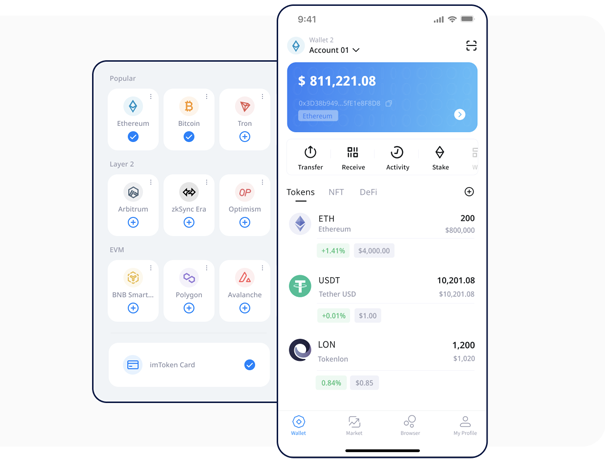
imToken is designed for users deeply embedded in the Ethereum ecosystem who don’t require multi-chain functionality. Its clean, minimalist interface—free of visual clutter—streamlines interactions with tokens and DeFi protocols, while the absence of KYC preserves user anonymity. Its standout feature is the imKey hardware wallet, equipped with a Common Criteria EAL6+ certified secure chip, priced at $109 and fully integrated with the app.
Compatibility with MetaMask makes the imToken mobile app a solid choice for users who frequently transfer large amounts across EVM-compatible networks.
However, the lack of a built-in “sell” function forces users to rely on third-party services, and the removal of Bitcoin, Solana, and Cardano from the menu means additional wallets must be installed to manage a diversified portfolio.
3.7

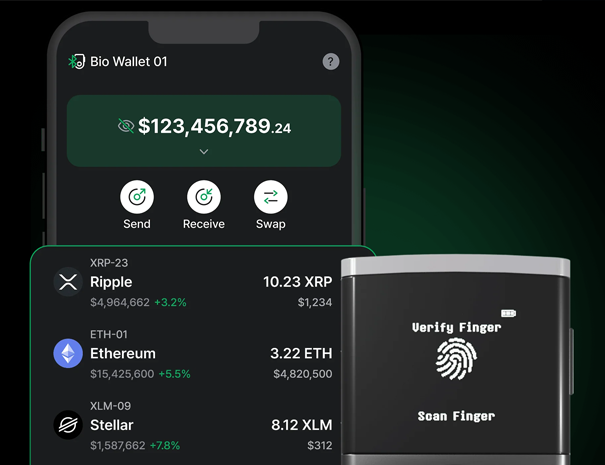
D’CENT — a universal non-custodial hardware wallet combining cold storage security with hot wallet convenience. Users retain full control over private keys, completing storage, swaps, and staking via biometric authentication.
Unlike competitors, D’CENT supports Bitcoin, Ethereum, Klaytn, Solana, and all major EVM networks, serving as a unified hub for your entire portfolio.
The app supports multiple languages, displays fiat values, sorts tokens by network, and enables quick wallet switching via Bluetooth.
A unique biometric signature feature eliminates smartphone PINs — transactions are signed offline with a fingerprint, ensuring security even if the mobile device is compromised.

1.6
Here is the adapted version, accurately reflecting TokenPocket’s actual product positioning (multi-chain software wallet) while preserving the structure and tone of your original text:
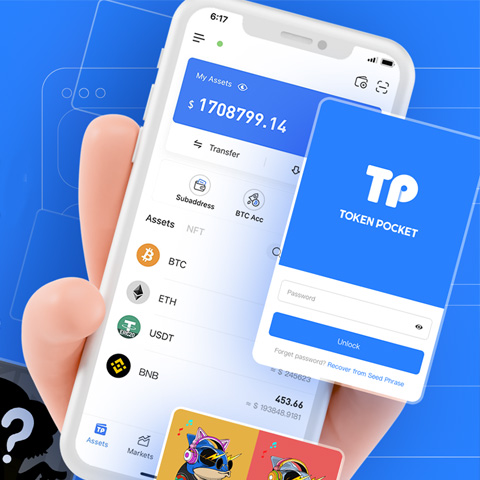
TokenPocket — a premier multi-chain non-custodial software wallet that merges the security of self-custody with the seamless convenience of everyday crypto access. Users retain full control over their private keys, effortlessly managing assets, executing swaps, and participating in staking—all protected by device-level biometric or PIN authentication.
Unlike fragmented alternatives, TokenPocket natively supports Bitcoin, Ethereum, Solana, TRON, BNB Chain, Polygon, and all major EVM-compatible networks, serving as a unified command center for your entire cross-chain portfolio.
The app features a fully localized interface with multi-language support, real-time fiat valuation, intuitive token grouping by blockchain, and instant account switching—all optimized for smooth mobile and desktop navigation.